
Your blog category
Dubai Real Estate: 25,000 New Homes Expected by Year-End Amid Continued Off-Plan Surge
As Dubai continues to cement its place as a global hub for real estate investment, the city is gearing up for an unprecedented surge in new residential projects. According to recent reports, 25,000 new homes are expected to be delivered by the end of the year, driven largely by the growing popularity of off-plan properties. This boom signals a robust future for Dubai’s real estate market and presents both opportunities and challenges for investors, developers, and residents alike.
Table of Contents
- The Growth of Dubai’s Real Estate Market
- What is Off-Plan Property and Why is it Popular?
- Factors Driving the Off-Plan Surge in Dubai
- Key Areas Benefiting from the New Housing Supply
- Investment Opportunities and Risks
- Impact of New Homes on Dubai’s Rental Market
- The Role of Government Initiatives
- Conclusion
1. The Growth of Dubai’s Real Estate Market
Dubai’s real estate market has long been a magnet for international investors, thanks to its strategic location, world-class infrastructure, and investor-friendly regulations. In recent years, the city has seen a significant increase in property development, with 2024 poised to be a record-breaking year. The expected delivery of 25,000 new homes by year-end underscores the market’s resilience and ability to adapt to global economic trends.
The surge in new residential units is part of a larger wave of development that includes luxury villas, townhouses, and high-rise apartments. These projects cater to both end-users and investors, offering a variety of options to suit different needs. Despite global economic uncertainty, Dubai’s real estate market has continued to thrive, thanks to its diversified economy and the ongoing demand for high-quality properties.

2. What is Off-Plan Property and Why is it Popular?
Off-plan properties refer to real estate that is purchased before it is completed. In some cases, buyers invest in properties that are still in the planning or construction phase. This trend has become increasingly popular in Dubai for several reasons, including lower initial costs, the potential for capital appreciation, and flexible payment plans.
For investors, off-plan properties offer the opportunity to purchase at today’s prices and benefit from future price appreciation once the project is completed. In many cases, developers also offer attractive incentives, such as post-handover payment plans or discounts for early buyers. These benefits have contributed to the continued surge in off-plan property sales across the city.
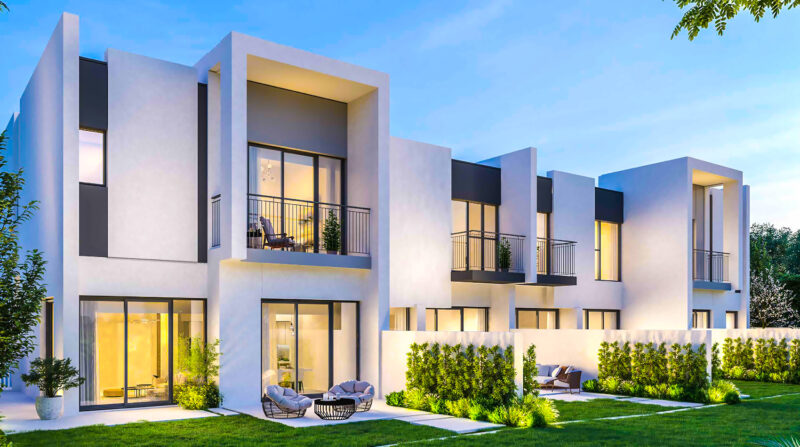
3. Factors Driving the Off-Plan Surge in Dubai
Several factors have contributed to the surge in off-plan property sales in Dubai. Understanding these drivers can help investors make informed decisions.
a. Investor Confidence Dubai’s reputation as a safe investment destination has bolstered confidence in the real estate market. With a history of strong returns and a stable regulatory environment, both local and international investors are increasingly turning to off-plan properties as a way to diversify their portfolios.
b. Flexible Payment Plans Developers in Dubai often offer flexible payment plans for off-plan properties, making it easier for buyers to enter the market. These plans usually include a small upfront payment, followed by installments spread out over several years. This structure is particularly appealing to first-time investors or those looking to minimize financial risk.
c. Rising Demand for Luxury Living The growing demand for luxury living in Dubai is another major factor driving the off-plan surge. Developers are catering to high-net-worth individuals by launching premium projects in prime locations, such as Downtown Dubai, Dubai Marina, and Palm Jumeirah. These areas offer a combination of exclusivity, top-tier amenities, and stunning views, making them highly desirable for both residents and investors.
d. Expo 2020 Legacy and Economic Diversification The legacy of Expo 2020 and Dubai’s ongoing efforts to diversify its economy have played a significant role in attracting real estate investment. The city’s focus on technology, tourism, and trade has created a favorable environment for property development, leading to increased demand for residential and commercial spaces.
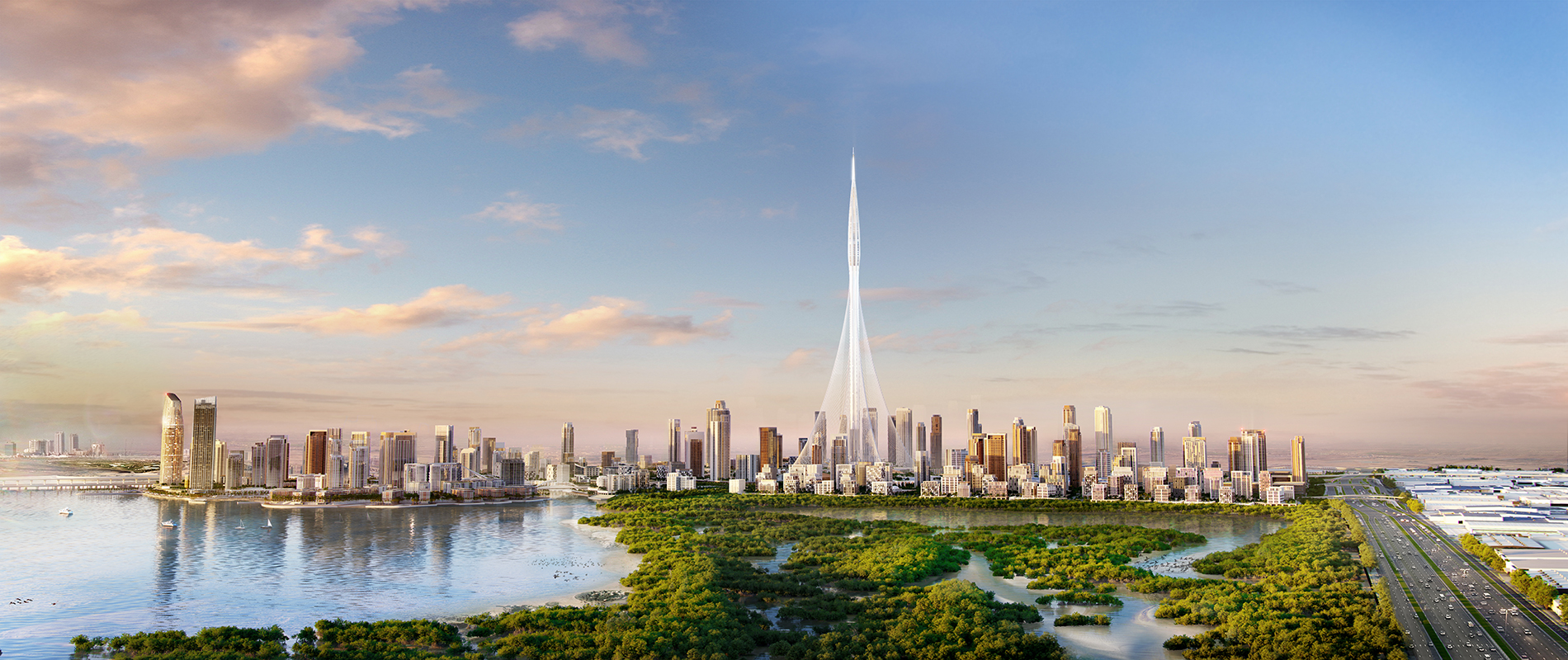
4. Key Areas Benefiting from the New Housing Supply
As Dubai gears up to deliver 25,000 new homes, certain areas are emerging as key beneficiaries of this increased supply. Let’s take a closer look at these hotspots:
a. Dubai South Located near Al Maktoum International Airport, Dubai South is fast becoming a major hub for residential and commercial development. The area’s proximity to Expo City Dubai and its free zones make it a strategic choice for businesses and investors. Several off-plan projects are currently under construction in Dubai South, offering affordable options for middle-income buyers.
b. Jumeirah Village Circle (JVC) JVC has consistently been one of the most popular areas for off-plan properties in Dubai. Its central location, family-friendly environment, and affordable prices make it an attractive choice for both end-users and investors. The area is expected to see a significant influx of new residential units by the end of the year.
c. Dubai Hills Estate Dubai Hills Estate, part of Mohammed Bin Rashid City, is another area that has seen a surge in off-plan developments. Known for its green spaces, golf courses, and luxurious villas, Dubai Hills Estate attracts high-end buyers looking for a suburban lifestyle close to the city center.
d. Business Bay and Downtown Dubai For investors seeking high returns, Business Bay and Downtown Dubai remain top choices. These areas offer a mix of commercial and residential properties, with several iconic developments underway. Off-plan properties in these areas come with the added benefit of being located near some of Dubai’s most famous landmarks, such as the Burj Khalifa and Dubai Mall.
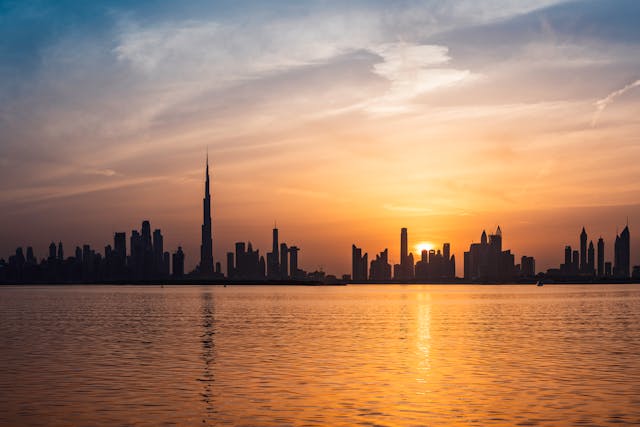
5. Investment Opportunities and Risks
While Dubai’s off-plan property market offers significant investment opportunities, it’s important for buyers to be aware of the risks involved.
a. Potential for High Returns Off-plan properties can yield high returns on investment, particularly in areas with strong demand. Investors who purchase early in the development phase may benefit from price appreciation as the project nears completion. In addition, rental yields in Dubai remain attractive compared to other global cities.
b. Market Volatility Like any real estate market, Dubai’s property sector is subject to fluctuations. While demand remains strong, external factors such as global economic conditions, interest rates, and currency fluctuations can impact property values. Investors should conduct thorough research and seek professional advice before making a purchase.
c. Project Delays Another potential risk in off-plan investments is project delays. While Dubai has a robust regulatory framework to protect buyers, unforeseen circumstances can sometimes lead to delays in project completion. It’s essential to choose reputable developers with a proven track record to minimize this risk.

6. Impact of New Homes on Dubai’s Rental Market
The influx of 25,000 new homes by year-end is expected to have a significant impact on Dubai’s rental market. As more properties become available, tenants may have more options to choose from, leading to greater competition among landlords. This could result in a stabilization of rental prices in certain areas, particularly those with a high concentration of new developments.
However, in prime locations such as Downtown Dubai and Dubai Marina, demand for luxury rental properties is expected to remain strong, which could keep rental prices elevated. Investors looking to purchase off-plan properties for rental income should carefully consider the area’s rental demand and future growth prospects.
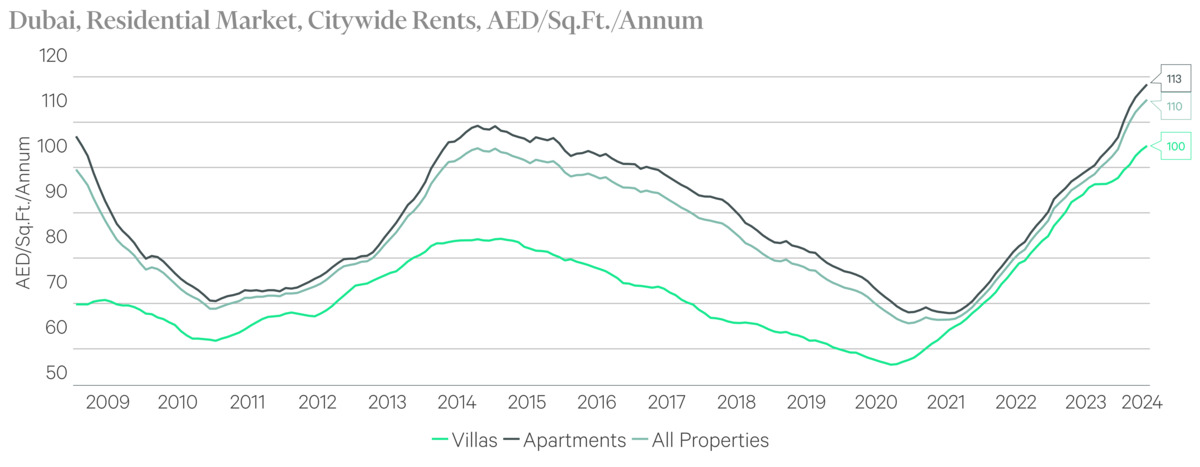
Source: Economy Middle East
7. The Role of Government Initiatives in Shaping Dubai Real Estate
The Dubai government has been instrumental in supporting the real estate sector through various initiatives aimed at attracting foreign investment. The introduction of long-term visas for property investors, business owners, and skilled professionals has further boosted confidence in the market. Additionally, the Dubai Land Department (DLD) has implemented measures to streamline the property registration process, making it easier for buyers to invest in the city.
These initiatives, coupled with ongoing infrastructure development, have created a favorable environment for real estate investment. The government’s focus on innovation, sustainability, and smart city initiatives is also expected to drive future demand for residential and commercial properties.
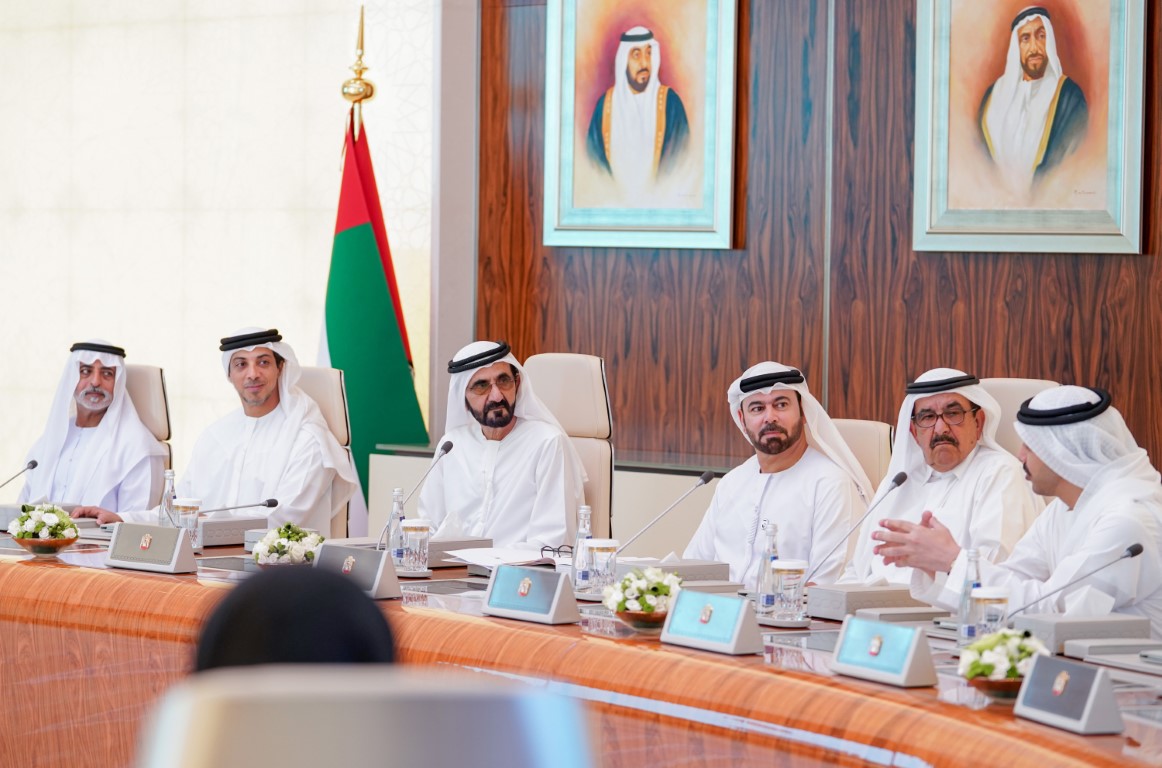
Image Source: Arabian Business. All Rights of the Image are reserved by The Arabian Business
8. Conclusion for Investment in Dubai Real Estate
Dubai’s real estate market is on the cusp of a major transformation, with 25,000 new homes set to be delivered by the end of the year. The continued off-plan surge highlights the city’s resilience and attractiveness as a global investment destination. For investors, the market presents a wealth of opportunities, but it’s crucial to stay informed about market trends, potential risks, and key areas of growth.
Whether you’re an end-user looking for a new home or an investor seeking high returns, Dubai’s real estate market offers something for everyone. As the city continues to evolve and expand, now may be the perfect time to explore the exciting opportunities in off-plan properties.
For more information on the latest off-plan projects in Dubai, visit Gstones Properties, your trusted partner in real estate investments.
Investing in Dubai Real Estate: Why 2024 Is the Best Time
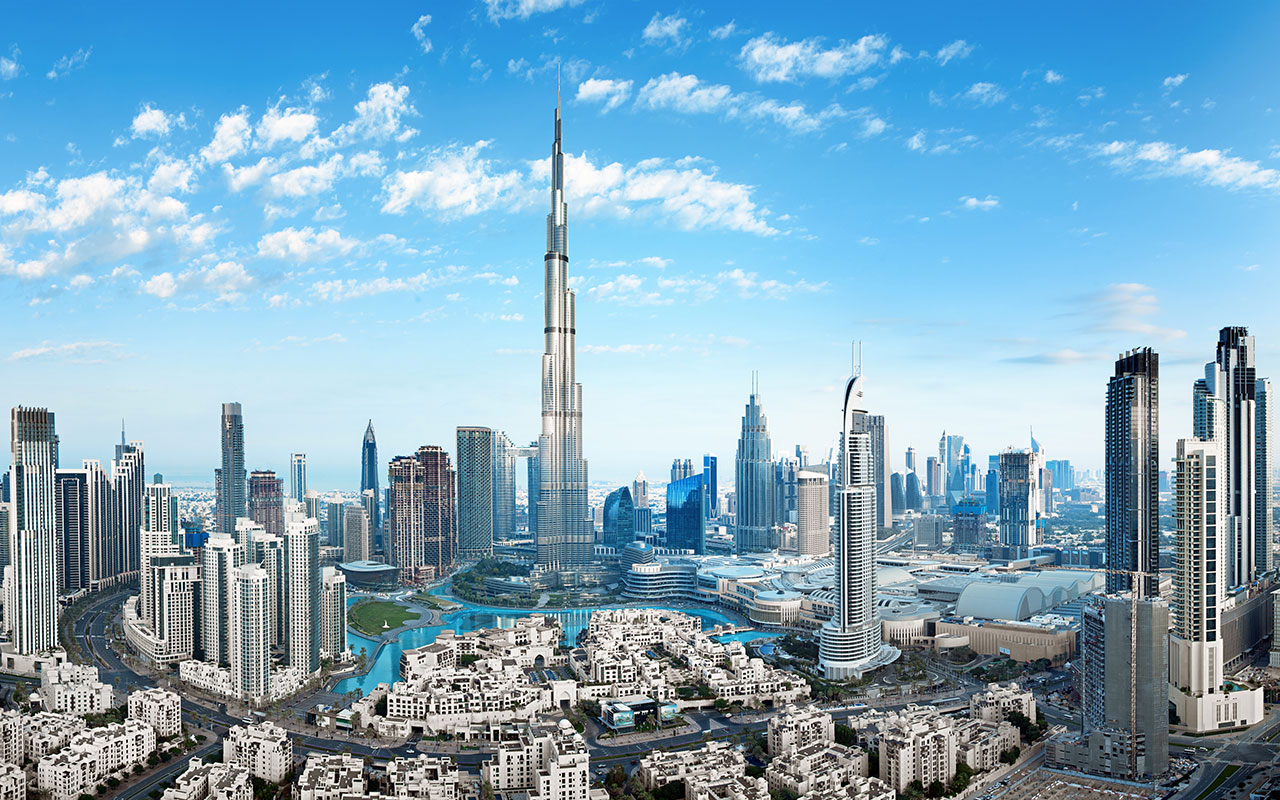
Dubai has always been a prime destination for global investors, thanks to its iconic skyscrapers, opulent lifestyle, and thriving economy. As we move into 2024, the Dubai real estate market is experiencing remarkable growth, making this year an exceptional time to invest. Whether you’re a newcomer to real estate or a seasoned investor, this article will detail why investing in Dubai real estate is a lucrative opportunity right now.
What Sets Dubai’s Real Estate Market Apart?
Investing in Dubai real estate offers unique advantages that set it apart from other markets:
Tax-Free Investment
One of the most compelling reasons for investing in Dubai real estate is the absence of property and capital gains taxes. This tax-free environment means that profits from selling properties are not taxed, which is a significant benefit compared to many other real estate markets worldwide.
High Rental Yields
Dubai stands out for its high rental returns, with yields reaching up to 8-10% in some areas. This is substantially higher than in major cities like London, New York, or Sydney, making Dubai a highly attractive option for investors looking to generate substantial rental income.
Investor-Friendly Regulations
The Dubai government has introduced numerous investor-friendly policies, including long-term visas for property buyers and simplified ownership rules for foreigners. These regulations make it easier for international investors to enter and manage their investments in Dubai’s real estate market.
Safe and Stable Investing in Dubai Real Estate
Dubai is renowned for its political and economic stability, providing a secure environment for investors. The city’s well-regulated real estate market reduces the risks associated with property ownership and investment, making it a safe bet for investors.
Why 2024 Is Optimal for Investing in Dubai Real Estate
2024 presents distinct opportunities for those interested in investing in Dubai real estate. Here’s why this year is particularly advantageous:
1. Expo 2020 Legacy Continues
The global Expo 2020 event in Dubai has left a lasting impact on the city’s economy and infrastructure. Although the event has concluded, its positive effects persist. The areas around the Expo site, such as Dubai South, are expanding rapidly, offering great potential for investors seeking affordable properties with high future appreciation.
2. Boom in Off-Plan Properties
Off-plan properties—those still under construction—are a popular investment choice in Dubai. Developers are offering appealing payment plans and discounts for off-plan buyers. This allows investors to enter the market with lower upfront costs and secure properties at favorable prices, which are expected to appreciate in value once completed. In 2024, numerous new developments are emerging, particularly in high-demand areas like Dubai Marina, Downtown Dubai, and Business Bay.
3. Growth in Prime Locations
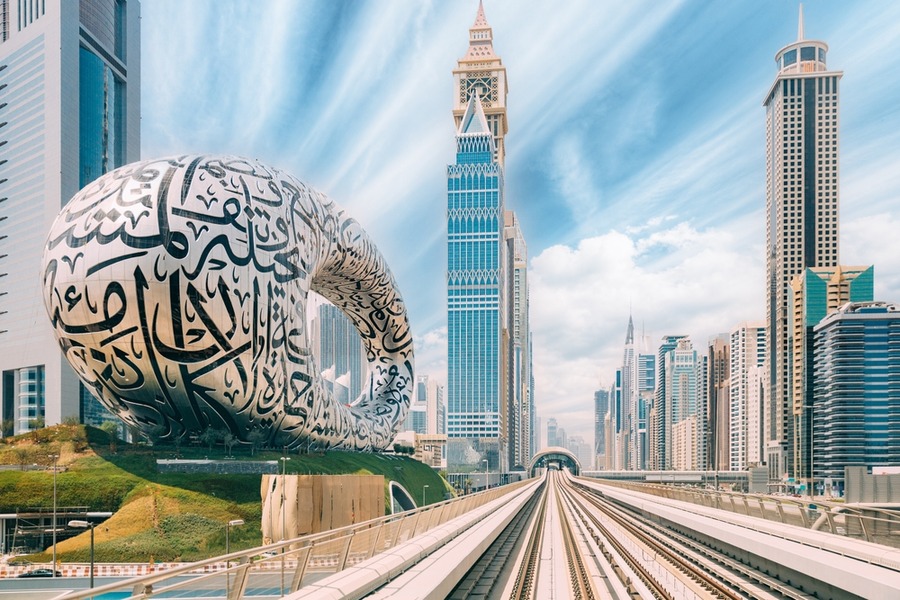
Certain areas in Dubai consistently attract high demand and are expected to experience significant growth in 2024. Locations such as Palm Jumeirah, Dubai Hills Estate, and Dubai Creek Harbour are witnessing a surge in both demand and property values. These areas are known for their luxury lifestyle, excellent amenities, and strategic locations, making them ideal for both personal use and rental investments.
4. Increased Demand from International Buyers
Dubai continues to draw international investors due to its high quality of life, safety, and attractive rental yields. Investors from countries like the UK, India, China, and Russia are increasingly interested in Dubai real estate. This growing global demand is likely to drive up property prices, making 2024 an ideal time to invest before prices escalate further.
Key Areas to Consider for Investing in Dubai Real Estate in 2024
Several areas stand out for their strong growth potential and high returns:
Dubai Marina
Renowned for its waterfront views and luxurious lifestyle, Dubai Marina offers highly desirable apartments for both residents and tourists. Its central location and upscale amenities make it a prime investment spot.
Palm Jumeirah
Famous for its unique shape and luxury villas, Palm Jumeirah is one of Dubai’s most exclusive neighborhoods. Properties here provide an exceptional living experience and excellent investment returns.
Business Bay
Located near Downtown Dubai, Business Bay has seen substantial growth and is ideal for investors seeking commercial spaces and high-end apartments close to the city’s financial districts.
Jumeirah Village Circle (JVC)
For budget-conscious investors, JVC offers affordable yet modern housing options. This rapidly growing area provides good rental returns and is an attractive option for first-time investors.
How to Begin Investing in Dubai Real Estate
If you’re ready to invest in Dubai real estate, follow these steps to get started:
Set Your Budget
Determine your investment budget before entering the market. Dubai offers a range of properties, from affordable apartments to luxury villas, catering to various budgets. Gstones Properties International can assist in finding a property that fits your financial plan.
Choose the Right Location
Selecting the right location is crucial for real estate investment. Consider the type of property and the area’s growth potential. Gstones Properties International offers extensive market knowledge to help you make an informed decision on the best locations for investment.
Work with a Trusted Real Estate Agent
Partnering with a reliable real estate agent is essential. Gstones Properties International, with its global reach and local expertise, can guide you through the investment process, from property selection to handling legal paperwork.
Understand the Legal Process
Familiarize yourself with Dubai’s property laws. Gstones Properties International’s expertise in Dubai’s legal system ensures that all contracts and documents are properly managed, providing peace of mind throughout the transaction.
Conclusion
Dubai’s real estate market is thriving in 2024, presenting a wealth of opportunities for investors. With high rental yields, tax-free benefits, and increasing demand, this is an excellent time to invest in Dubai real estate. Whether you’re interested in a luxury villa, an off-plan apartment, or a commercial property, Dubai has options to suit every investor. By making informed decisions and leveraging expert guidance, you can capitalize on one of the world’s most dynamic real estate markets and secure a profitable future.
Best Areas to Buy Property in Dubai
Dubai is a global city known for its luxurious lifestyle, towering skyscrapers, and vibrant economy. It has long been a hub for real estate investments, attracting buyers from all over the world. Whether you’re looking for a family home, a holiday property, or a smart investment, Dubai offers a wide range of options. With its diverse landscape, ranging from bustling urban centers to tranquil beachfronts, choosing the right area to buy property can make all the difference. Here’s a comprehensive guide to the best areas to buy property in Dubai:
1. Downtown Dubai
Iconic Living in the Heart of the City: Best Areas to Buy Property in Dubai
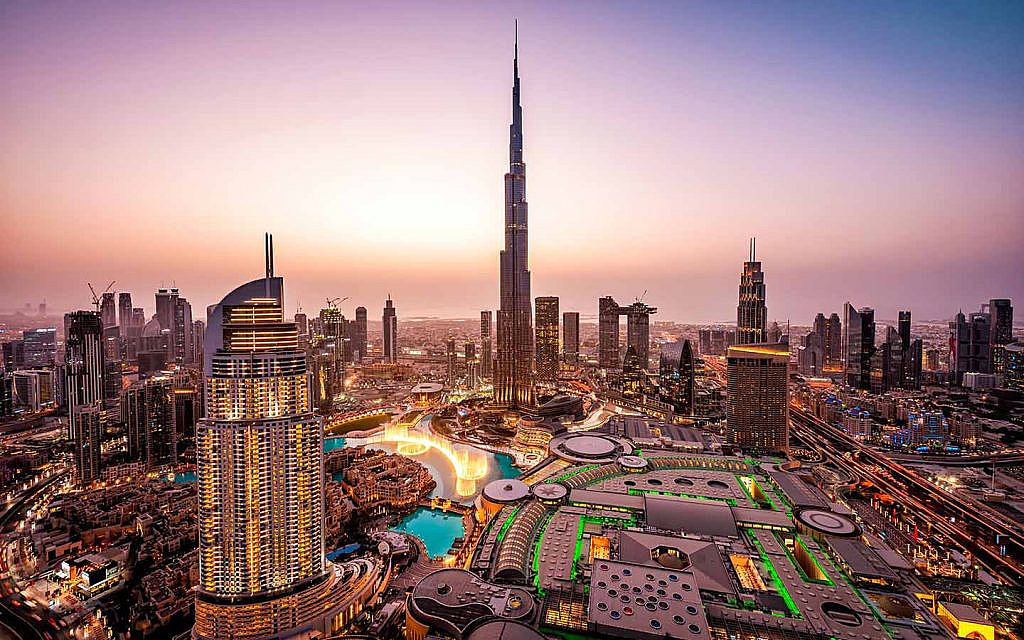
On top of the list in Best Areas to Buy Property in Dubai; Downtown Dubai is arguably the most famous area in the city. It is home to the world-renowned Burj Khalifa, Dubai Mall, and the Dubai Fountain. For those who wish to be in the center of action, Downtown Dubai offers luxurious apartments with stunning views of the city skyline.
- Pros: The area is highly sought-after due to its iconic landmarks and high-end lifestyle offerings. It’s ideal for professionals, executives, and investors looking for short-term rentals due to the high demand from tourists and business visitors.
- Cons: Property prices are higher compared to other areas, and it is one of the busiest parts of the city, which may not suit those looking for a more peaceful environment.
Average Prices:
- Apartments: AED 1.5 million – AED 15 million
- Rental Yield: Around 5-6%
2. Palm Jumeirah
Exclusive Beachfront Living
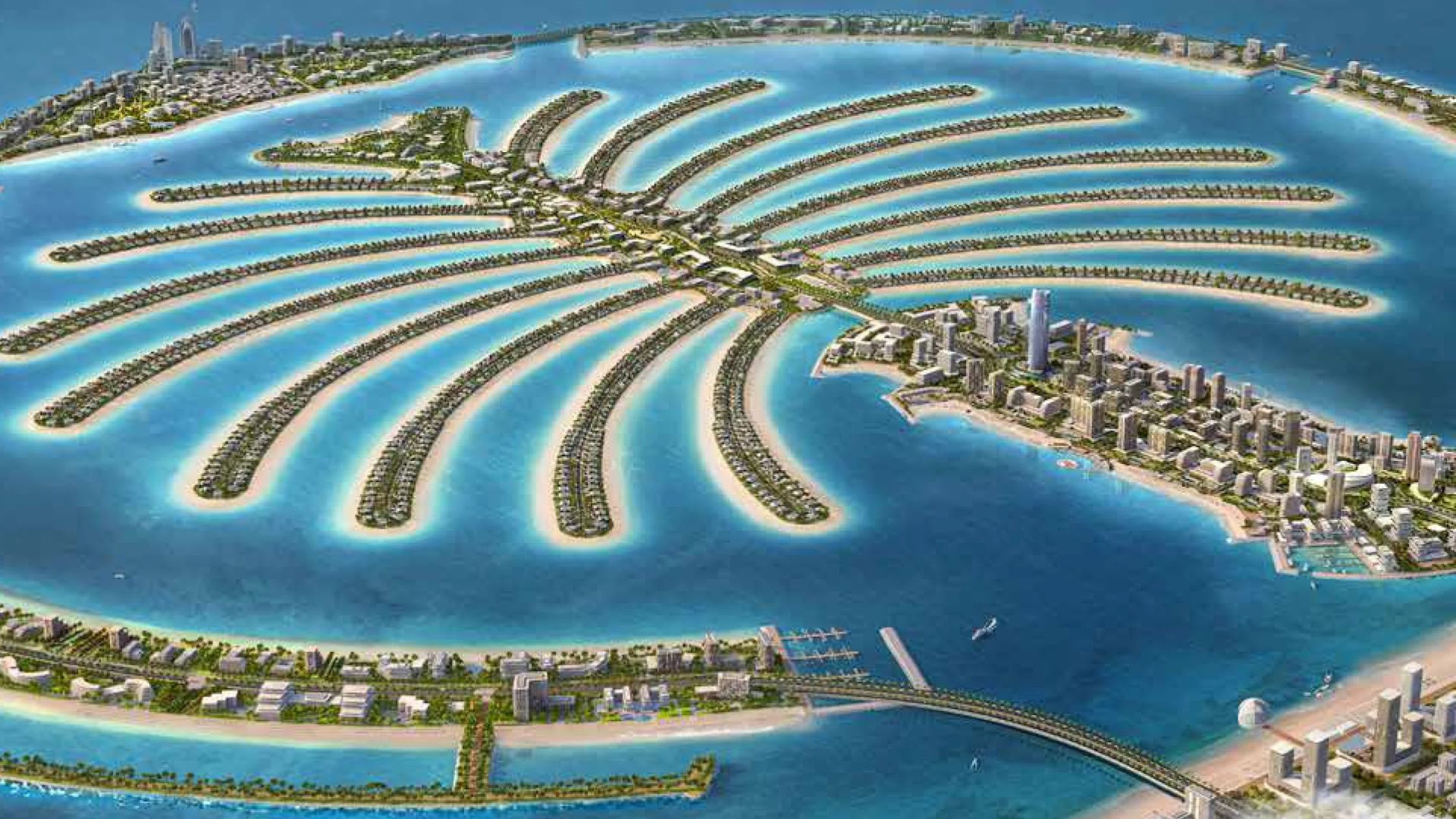
Palm Jumeirah is synonymous with luxury and exclusivity. This man-made island is shaped like a palm tree and offers some of the most opulent beachfront properties in Dubai. From lavish villas to luxury apartments, Palm Jumeirah attracts both investors and end-users who wish to enjoy a unique lifestyle by the beach.
- Pros: Palm Jumeirah offers unparalleled views of the Arabian Gulf and the Dubai skyline. It is home to high-end resorts, beach clubs, and restaurants, providing residents with a luxurious waterfront lifestyle.
- Cons: Property prices are high, and the distance from the city center can be a disadvantage for those who commute to central Dubai frequently.
Average Prices:
- Villas: AED 10 million – AED 100 million
- Apartments: AED 2 million – AED 10 million
- Rental Yield: Around 4-5%
3. Dubai Marina
Cosmopolitan Lifestyle by the Water
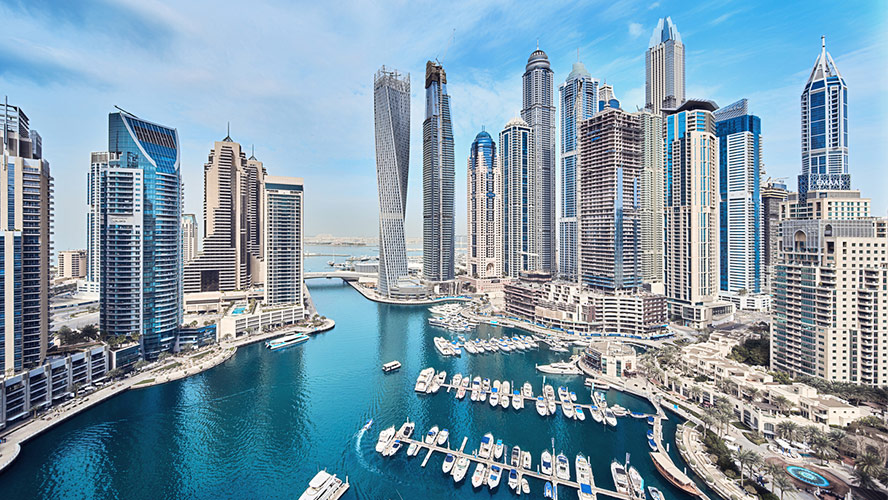
Dubai Marina is a popular destination for expats and investors alike. Known for its vibrant atmosphere, it offers a range of residential options, including luxurious waterfront apartments, penthouses, and townhouses. The Marina Promenade, with its array of restaurants, cafes, and shops, makes it a lively spot for residents.
- Pros: Dubai Marina is a top choice for those looking for a bustling, cosmopolitan lifestyle. The area is well-connected to the rest of the city via the Dubai Metro and Sheikh Zayed Road. Its high demand for short-term rentals makes it attractive for investors.
- Cons: The area can get crowded, and traffic congestion is common, especially during peak hours.
Average Prices:
- Apartments: AED 1.2 million – AED 12 million
- Rental Yield: Around 6-7%
4. Jumeirah Beach Residence (JBR)
Beachfront Apartments with a Family-Friendly Vibe
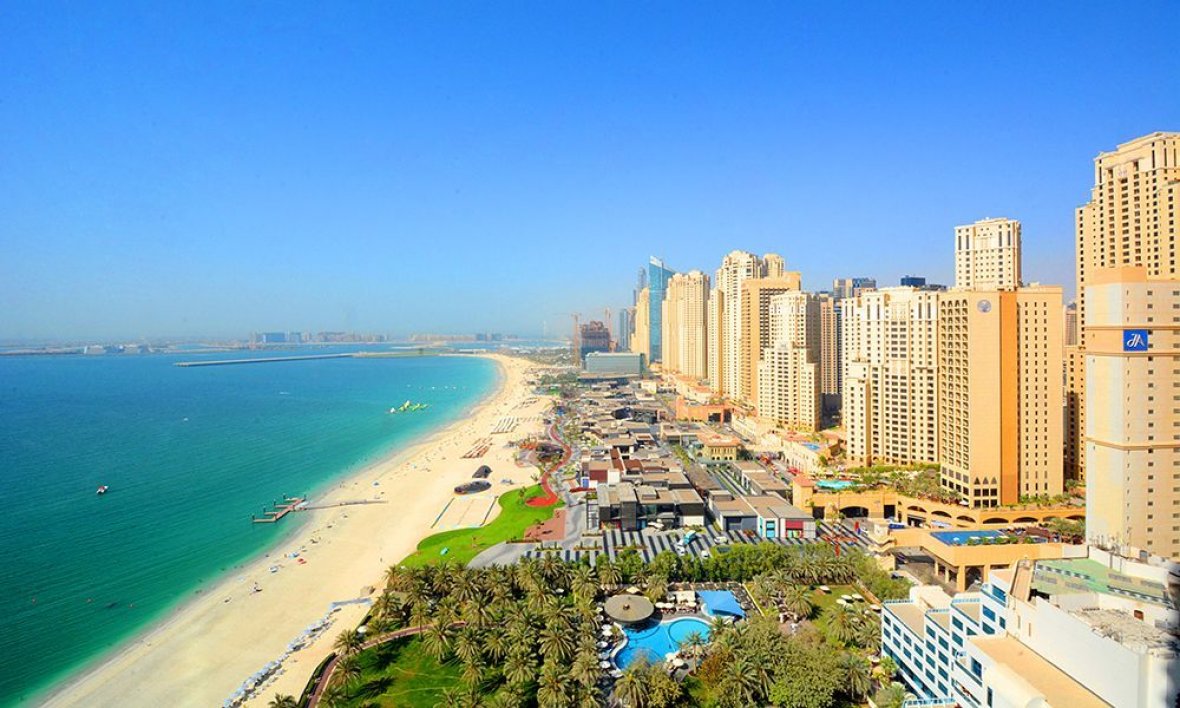
Jumeirah Beach Residence, commonly referred to as JBR, is one of the most vibrant areas in Dubai. It is a popular choice for those seeking beachfront living with easy access to retail and entertainment options. The area offers a range of apartments and penthouses with breathtaking views of the sea and the city skyline.
- Pros: JBR is ideal for families due to its wide range of amenities, including parks, schools, and family-friendly entertainment options. The beachfront location and vibrant atmosphere make it a top choice for both residents and holidaymakers.
- Cons: Like Dubai Marina, JBR can get crowded, especially during weekends and holidays.
Average Prices:
- Apartments: AED 1.5 million – AED 8 million
- Rental Yield: Around 5-6%
5. Arabian Ranches
Tranquil Suburban Living
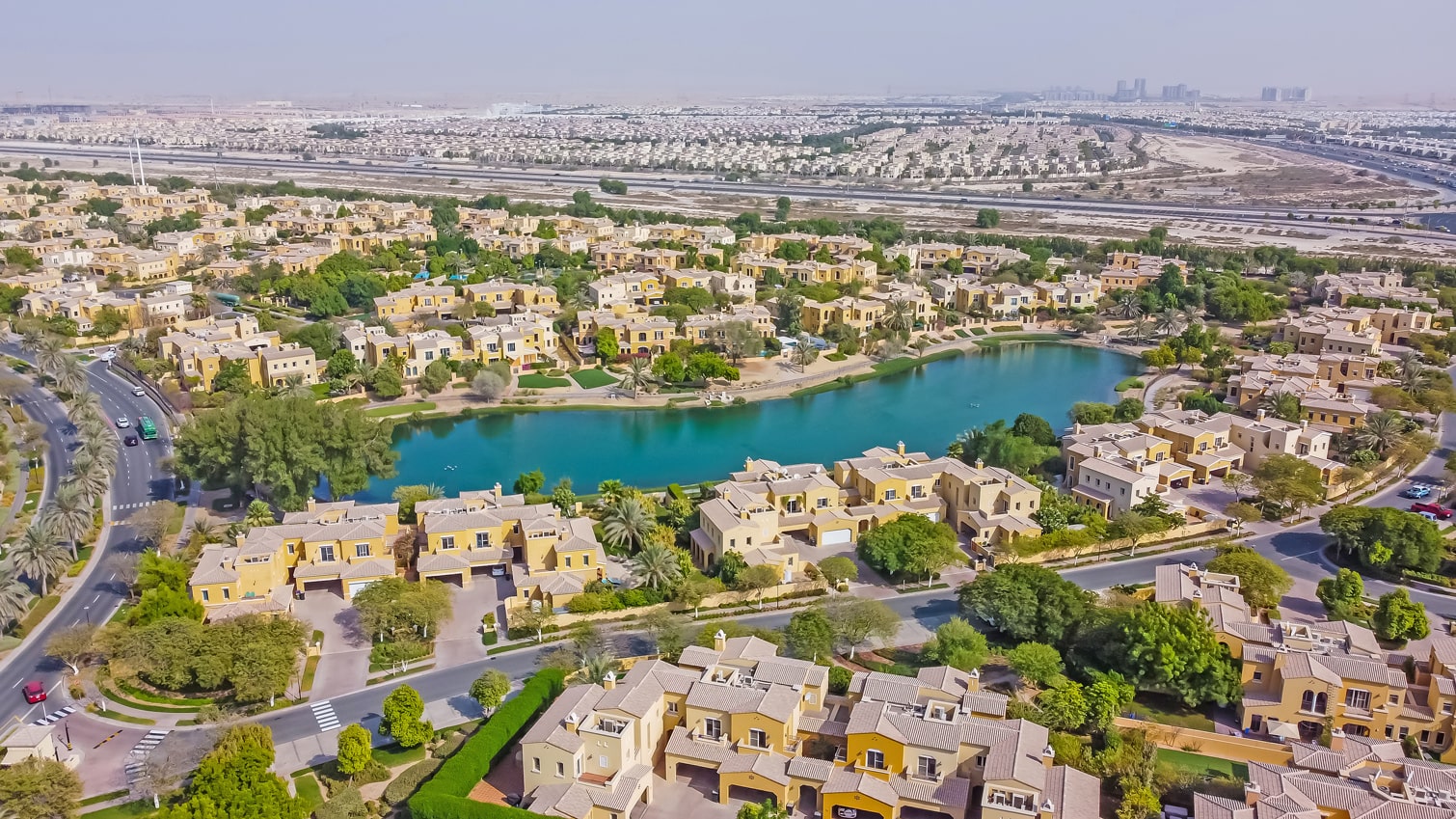
For those looking for a more peaceful, suburban lifestyle, Arabian Ranches is one of Dubai’s premier villa communities. Located away from the hustle and bustle of the city, Arabian Ranches offers spacious villas surrounded by greenery, making it an ideal choice for families.
- Pros: Arabian Ranches is a family-friendly community with excellent amenities such as parks, golf courses, schools, and retail centers. The area offers a peaceful lifestyle with easy access to the city via major highways.
- Cons: The location is relatively far from central Dubai, which may not suit those who need to commute regularly.
Average Prices:
- Villas: AED 3 million – AED 20 million
- Rental Yield: Around 4-5%
6. Business Bay
Modern Living for Professionals
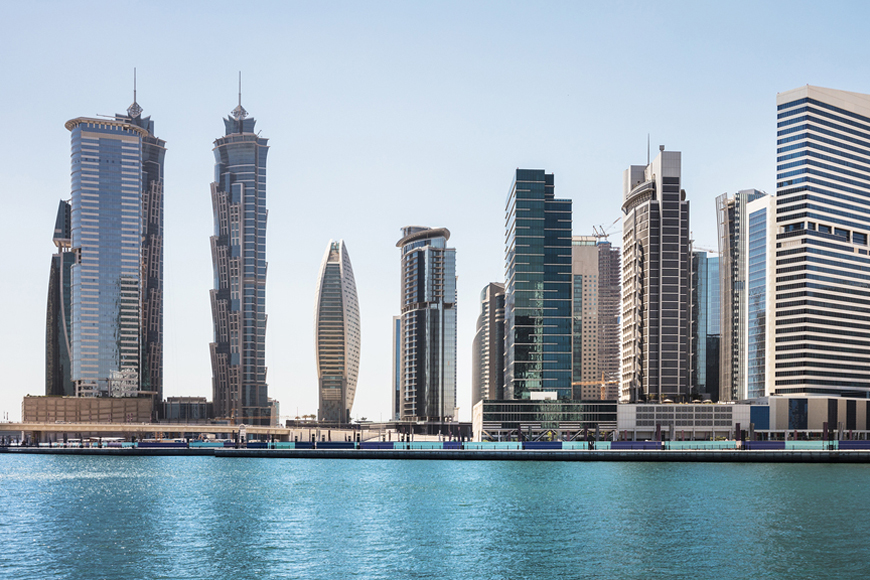
Business Bay is rapidly becoming one of Dubai’s most sought-after areas for property investment. Located next to Downtown Dubai, it is a hub for business, finance, and real estate. The area offers a mix of residential and commercial properties, making it ideal for professionals looking for modern living spaces close to work.
- Pros: Business Bay is perfect for professionals due to its proximity to major business centers. It also offers a range of high-end apartments and penthouses, with excellent amenities and transport links.
- Cons: The area is still undergoing development in some parts, which can be a drawback for those looking for a fully established community.
Average Prices:
- Apartments: AED 900,000 – AED 8 million
- Rental Yield: Around 6-7%
7. Dubai Hills Estate
Golf Course Living and Green Spaces
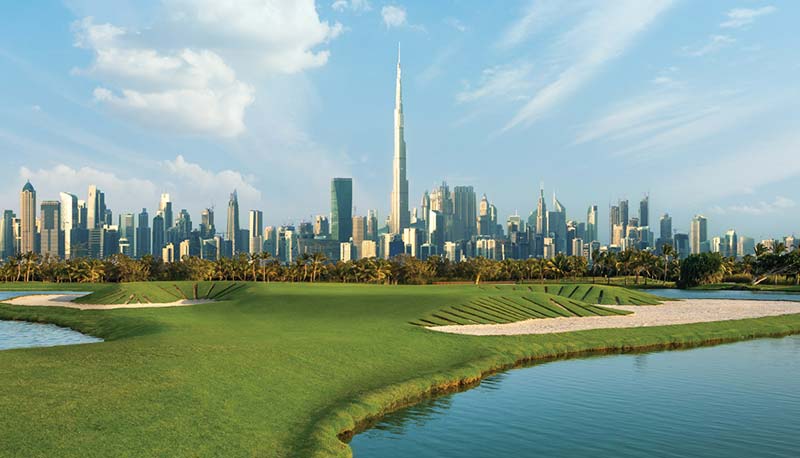
Dubai Hills Estate is one of the most up-and-coming areas in the city, known for its luxurious villas, townhouses, and apartments set around an 18-hole championship golf course. It is one of the best areas to buy property in Dubai for those seeking a quieter, green living environment while still being close to the city center.
- Pros: Dubai Hills Estate is perfect for families and individuals who value outdoor spaces, as it offers parks, golf courses, and walking trails. It’s also well-connected to central Dubai and offers a wide range of properties, from apartments to expansive villas.
- Cons: Since it’s a newly developed area, some parts are still under construction.
Average Prices:
- Villas: AED 3 million – AED 30 million
- Apartments: AED 800,000 – AED 5 million
- Rental Yield: Around 5-6%
8. Jumeirah Village Circle (JVC)
Affordable Living in a Community Setting
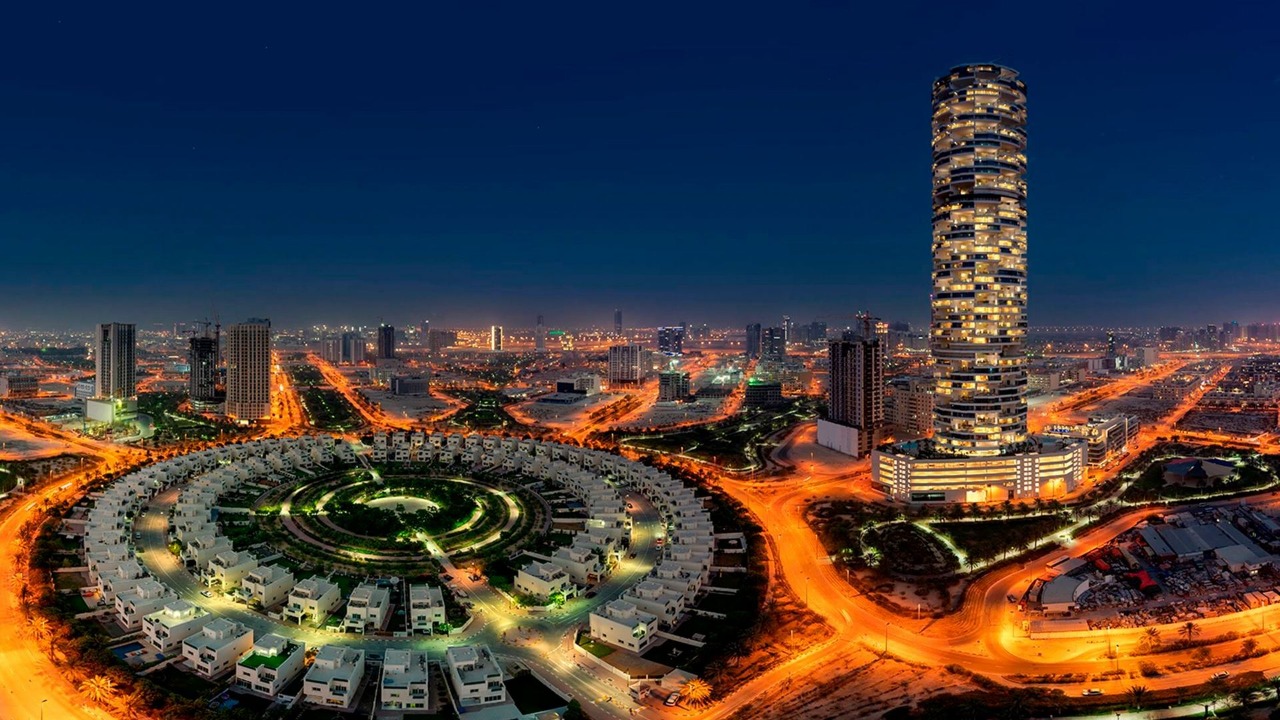
Jumeirah Village Circle (JVC) is one of Dubai’s more affordable areas, making it a popular choice for first-time buyers and investors looking for higher rental yields. It offers a mix of apartments, townhouses, and villas, catering to different buyer preferences.
- Pros: JVC offers affordable housing with good rental yields, making it attractive for investors. It is also a family-friendly area with parks, schools, and retail outlets within the community.
- Cons: The area is still developing, so some amenities may be limited compared to more established communities.
Average Prices:
- Villas: AED 2 million – AED 5 million
- Apartments: AED 500,000 – AED 2 million
- Rental Yield: Around 7-8%
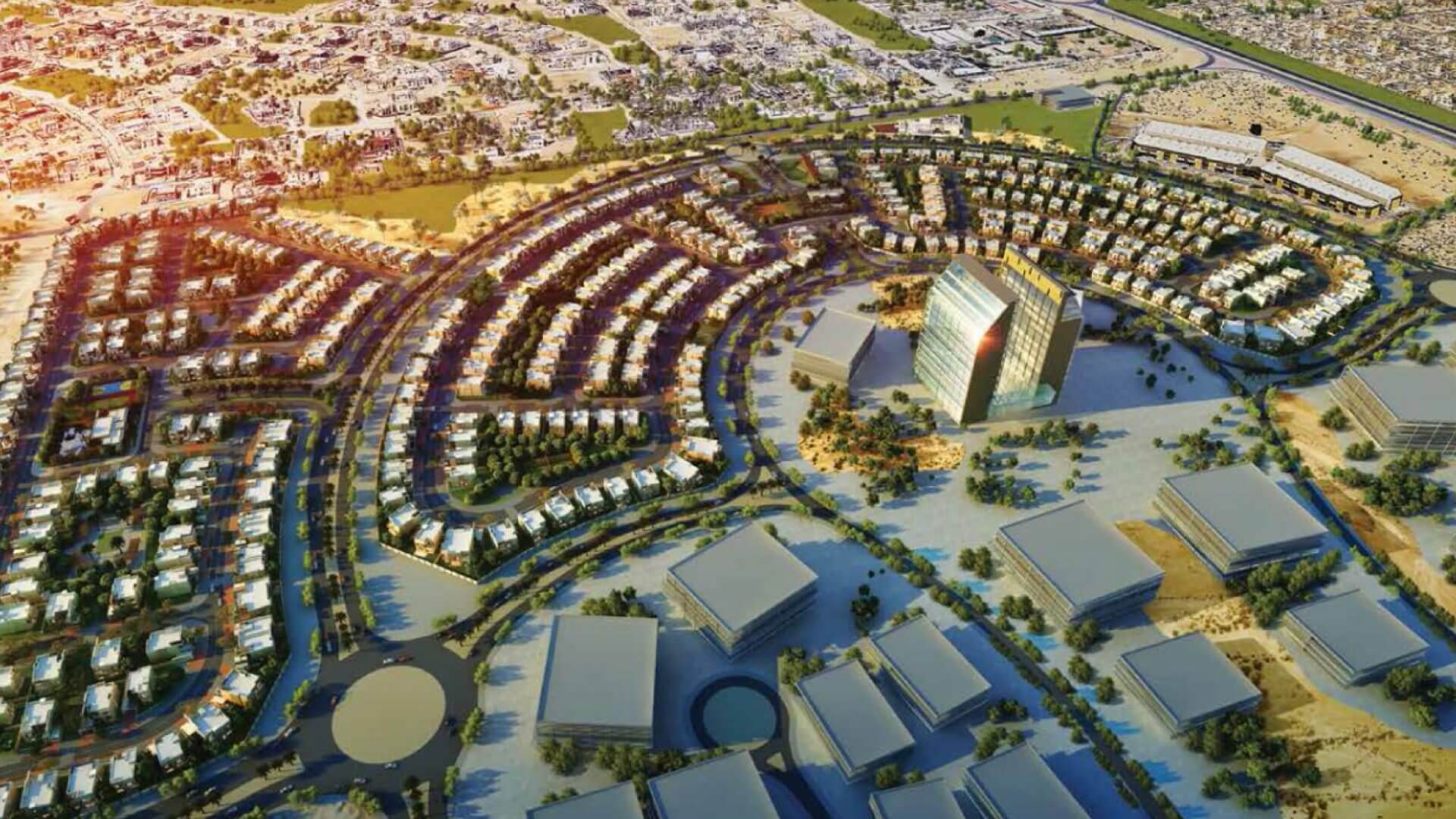
9. Dubai Science Park
Innovation-Focused Residential and Business Hub
on number 9th of the list of the Best Areas to Buy in Dubai; Dubai Science Park is a unique area that combines residential and business spaces, making it a hub for those working in technology, research, and innovation sectors. It’s strategically located close to key areas like Al Barsha and Dubai Hills Estate, offering a peaceful environment for professionals and families alike.
- Pros: Dubai Science Park is ideal for professionals working in the science and technology sectors, as it offers proximity to research facilities and business centers. The area also provides high-quality residential properties, including modern apartments and townhouses, making it a convenient option for both working professionals and families.
- Cons: Since Dubai Science Park is more business-focused, the lifestyle amenities (shopping, entertainment) are somewhat limited compared to other areas, although nearby communities can fill the gap.
Average Prices:
- Apartments: AED 600,000 – AED 4 million
- Villas/Townhouses: AED 1.5 million – AED 6 million
- Rental Yield: Around 5-6%
10. Jumeirah Lake Towers (JLT)
Affordable Urban Living with a Mix of Residential and Commercial Spaces
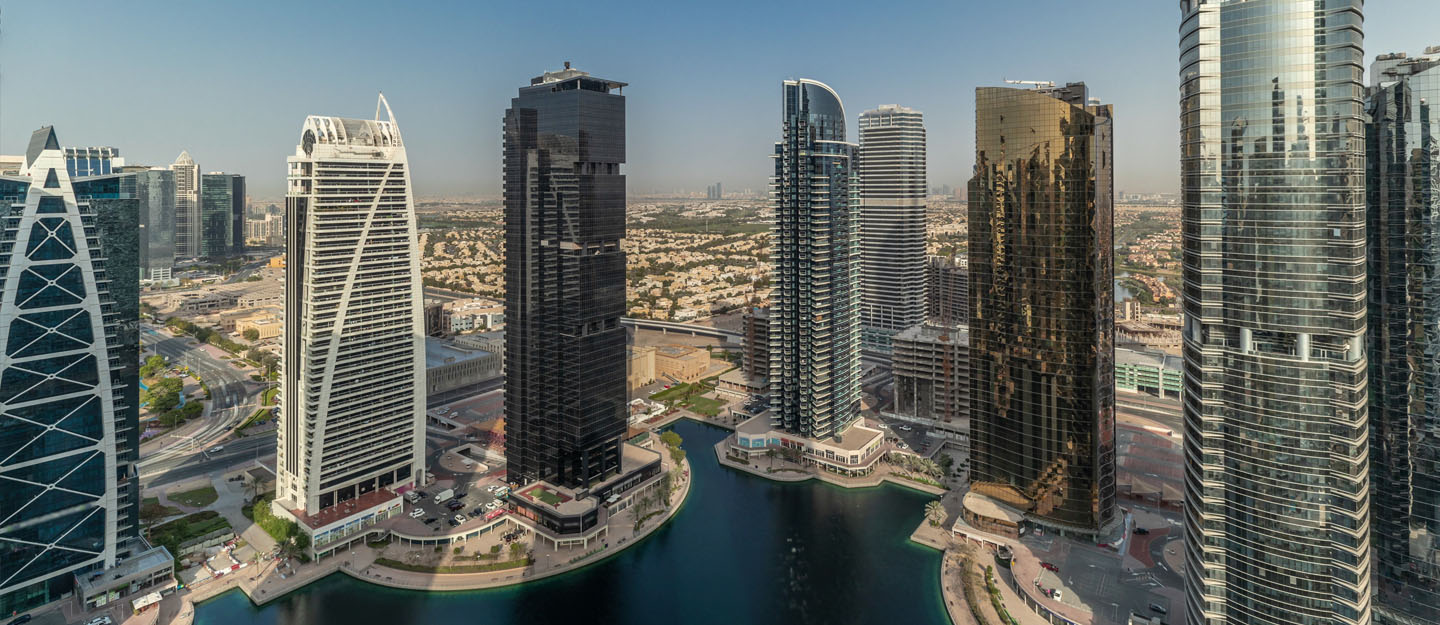
Jumeirah Lake Towers (JLT) is a popular community known for its high-rise towers surrounding artificial lakes. It is one of the best areas to buy property in Dubai. Located near Dubai Marina and Sheikh Zayed Road, JLT offers a more affordable alternative to neighboring areas like Dubai Marina, while still providing a vibrant urban lifestyle. With a mix of residential, commercial, and retail spaces, JLT has become a preferred choice for professionals, young families, and investors looking for budget-friendly yet well-located properties.
- Pros: JLT’s location offers excellent connectivity to key areas in Dubai through the metro and main highways. The area is also pedestrian-friendly, with plenty of parks, lakes, cafes, and retail outlets, making it an attractive option for residents who want a balanced work-life environment. JLT is also known for its relatively affordable property prices compared to nearby communities like Dubai Marina.
- Cons: Some parts of JLT can experience traffic congestion during peak hours. Additionally, while the area has a great mix of amenities, it lacks the upscale beachfront access found in places like Dubai Marina or JBR.
Average Prices:
- Apartments: AED 600,000 – AED 6 million
- Rental Yield: Around 7-8%
Final Thoughts about Best Areas to Buy Property in Dubai
Dubai’s diverse real estate landscape offers something for every buyer and investor, from luxury beachfront villas to affordable high-rise apartments. Areas like Downtown Dubai and Palm Jumeirah cater to those seeking iconic, upscale living, while communities like Dubai Land and Jumeirah Lake Towers provide more budget-friendly options with high investment potential. Whether you’re looking for a family home, a vibrant urban lifestyle, or a promising investment, Dubai’s dynamic property market has the ideal location to match your needs, offering excellent connectivity, amenities, and long-term growth prospects.
Dubai Real Estate Investment: Why 2024 is the Year to Invest
As a top location for real estate investment, Dubai has solidified its position, and in 2024, this trend is unlikely to slow significantly. The city is a desirable option for both domestic and foreign investors due to its strong infrastructure, progressive legislation, and thriving economy. This article by G Stones International will examine the compelling reasons, regardless of expertise level, why Dubai ought to be on your list of places to invest this year, as well as the fascinating prospects that lie ahead.
1. Tax-Free Investment
Due to its tax-free status, Dubai has become a sanctuary for affluent individuals looking for safe and profitable investment options. Due to its lack of income, property, and capital gains taxes, Dubai offers investors a special chance to increase their wealth with the least amount of taxation. Due to its tax-free atmosphere, which enables investors to maximize their profits, Dubai is a very alluring location for real estate investment
2. Booming Economy
Due to its strategic location and business-friendly legislation, Dubai has experienced fast economic expansion, positioning it as a major hub for trade and commerce. The economy of the city is broad, including industries like technology, tourism, and banking. Due to the increasing demand for real estate brought about by this economic prosperity, both commercial and luxury residential property development and sales have surged. The possibility of earning substantial profits on real estate investments increases with Dubai’s continued growth.
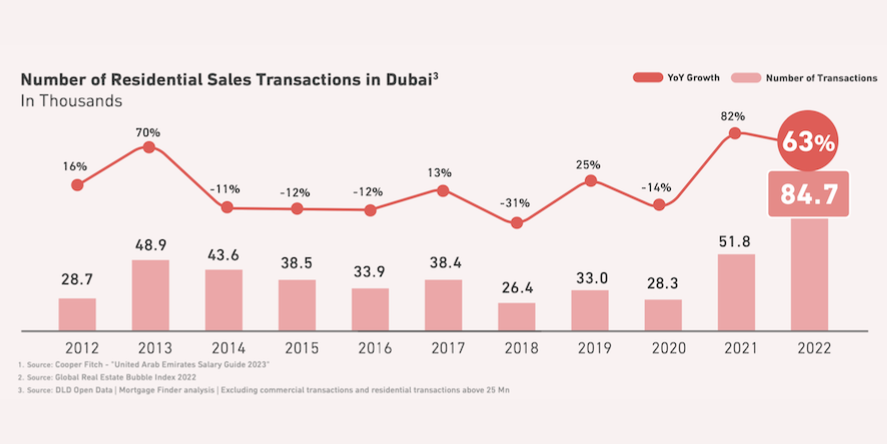
Real Estate Stats in Dubai
3. Safe and Stable City
One of the main draws for real estate investors to Dubai is its reputation for stability and safety. The city is a safe refuge for investors because of its low crime rate and secure surroundings. To guarantee the safety and security of citizens and guests, the government has put in place a number of safeguards, such as stringent laws, specialized police units, and surveillance systems. Investors can rest easy knowing that their money is safeguarded in a secure setting thanks to this steadiness.
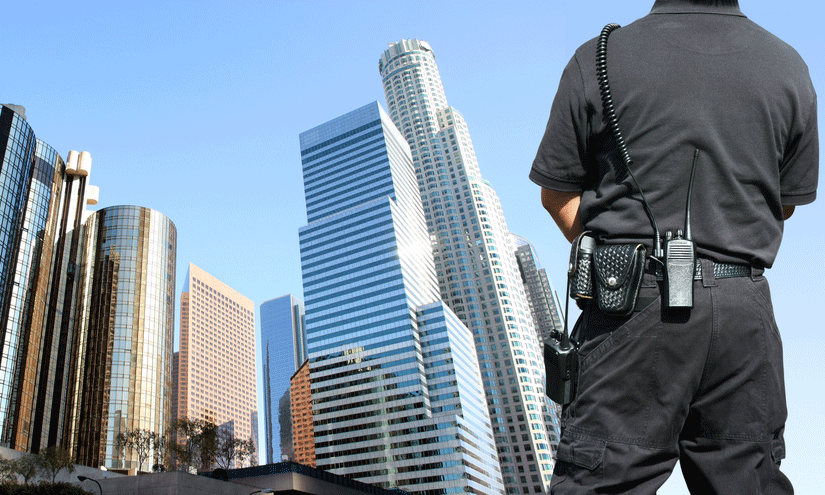
Dubai is the Most Secure and Safest City in the World
4. Finest Tourism Industry
Millions of tourists visit Dubai each year, indicating the continued success of the tourism sector there. There is a strong demand for short-term rental units due to the city’s hosting of international conferences and events. For real estate investors hoping to profit from the expanding tourism sector, this is a great opportunity. Since there is always a demand for lodging, investing in tourist-oriented properties might result in substantial returns.
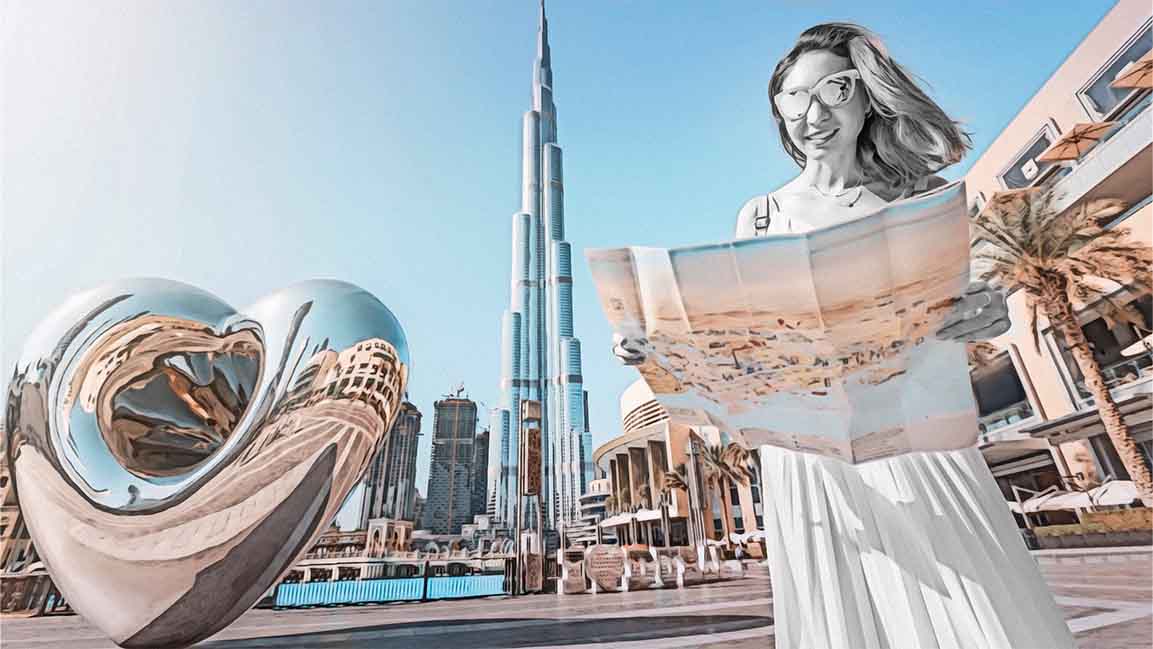
5. Strong Rental Market in Dubai Real Estate
Due to the increasing number of expats and population growth in Dubai, there is a high demand for rental properties, such as flats, villas, and commercial spaces. For investors, the city offers a consistent flow of rental income due to its high rental yields, which rank among the highest globally. The need for short-term rental homes is further fueled by the booming tourism sector. The rental market in Dubai provides investors with profitable prospects, regardless of whether they are investing in long-term or short-term vacation rentals.
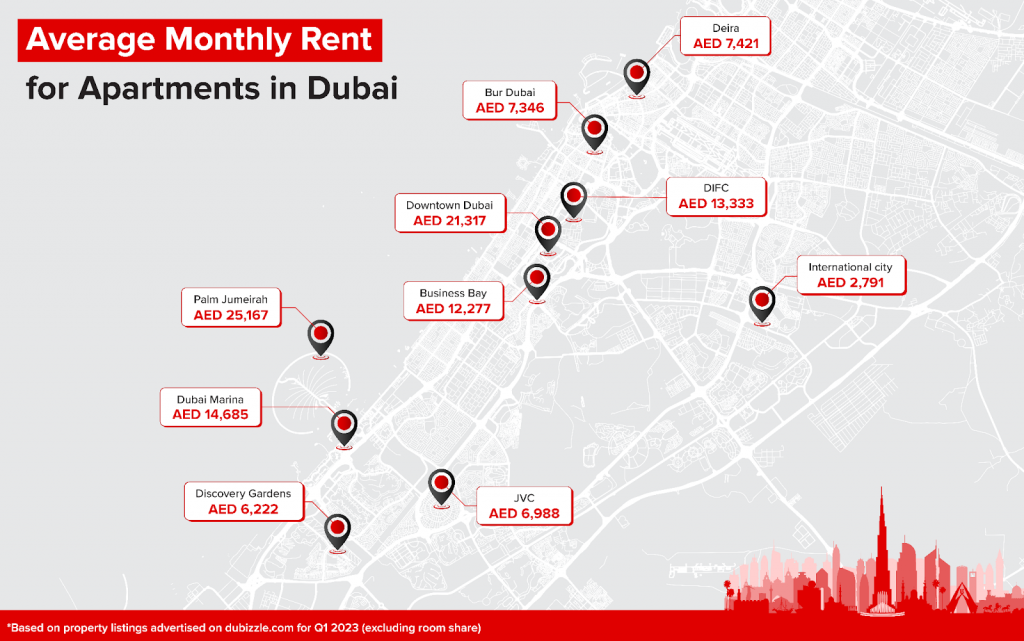
6. Competitive Property Prices
Dubai offers inexpensive investment prospects due to its relatively low real estate prices when compared to other major cities. There are many possibilities available in the market at various price points, ranging from luxurious villas and commercial buildings to reasonably priced studio flats. The attractiveness is increased by flexible payment alternatives, which suit investors with different spending limits and objectives. Dubai is a great place to invest in real estate because of its affordability and strong potential profits
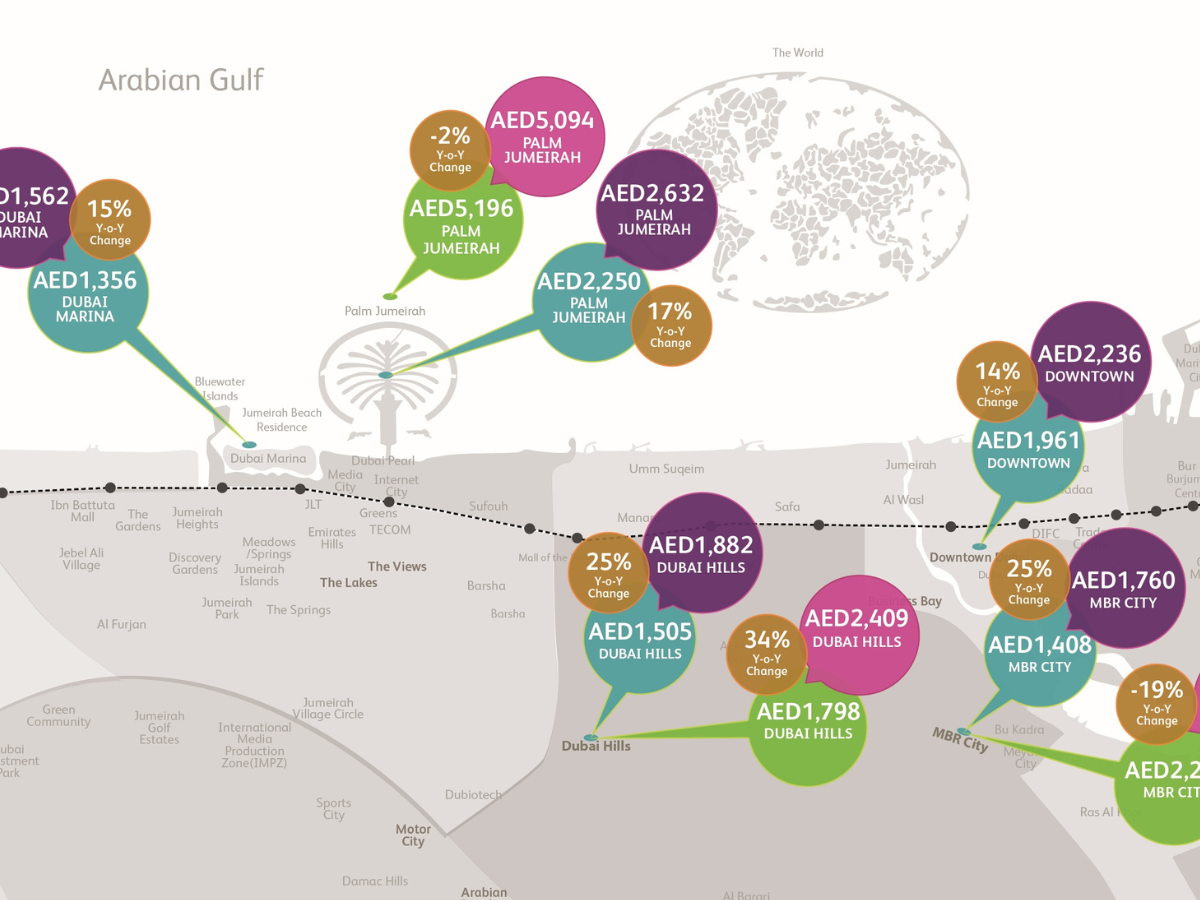
Per Square Feet Property Price in Dubai
7. Strong Return on Investment in Dubai Real Estate
The real estate industry in Dubai is known for offering a steady and substantial return on investment. It offers competitive annual returns compared to other global cities, ranging from 5% to 8.4% on average. Property prices are rising, and investors are getting a better return on their investment due to the city’s population growth and government measures to draw in foreign investment. Investors can create long-term wealth and earn significant returns by making real estate investments in Dubai.
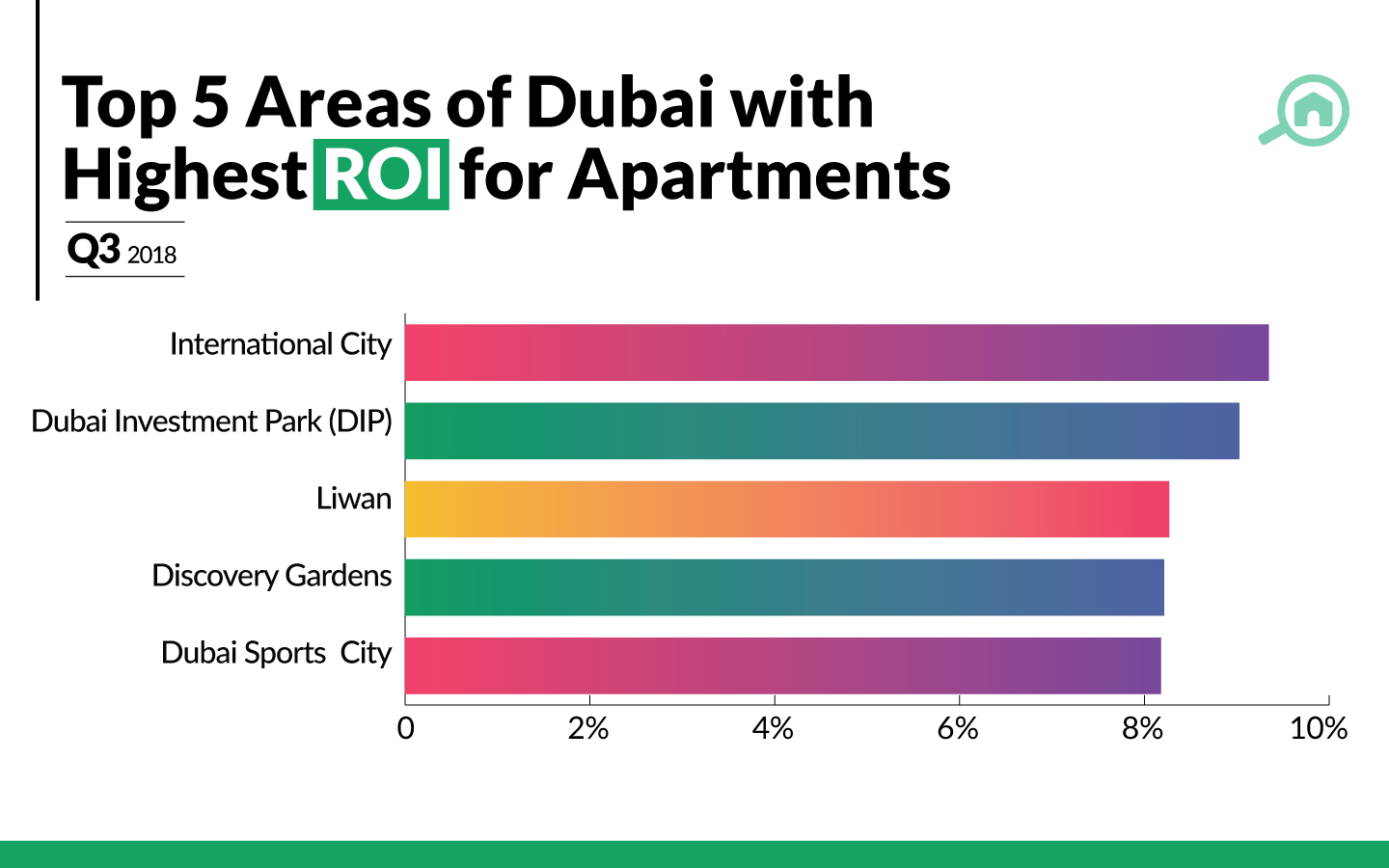
High ROI on Investment in Dubai Real Estate
8. World-Class Developers
World-class developers that produce iconic and opulent properties are well-known in Dubai. These developers are known for their sustainable practices, fine construction, and creative ideas. Their proficiency guarantees the security and profitability of investments, drawing in both domestic and foreign investors. Purchasing real estate created by these respectable developers offers a high degree of return potential and quality assurance.

World Class Buildings in Dubai
Conclusion
In 2024, Dubai will be the best place to invest in real estate due to a number of variables. Thanks to its tax-free atmosphere, robust tourism sector, thriving economy, competitive pricing, and top-notch developers, it offers a secure, stable, and profitable investment opportunity. Dubai offers several opportunities to build money and ensure a better future for investors of all expertise levels. You may profit from the city’s thriving real estate market and take pleasure in the advantages of owning property in one of the most sought-after locations on earth by investing in Dubai real estate and joining the ranks of prosperous investors who have done so.
In summary, the allure of Dubai’s real estate market in 2024 is undeniable. The city’s unique blend of economic vitality, safety, tourism appeal, and tax benefits makes it a prime destination for investment. With its ongoing development and strategic initiatives to attract foreign investors, Dubai promises a thriving real estate market that can deliver impressive returns. Whether your investment goals are short-term gains or long-term wealth accumulation, Dubai’s real estate market offers a multitude of opportunities to meet your objectives. Don’t miss the chance to be part of this dynamic and prosperous market—invest in Dubai real estate today and secure your financial future. If you are looking forward to invest in Dubai Real Estate, Contact G Stones International offering real estate investment services in Pakistan, United Kingdom, Europe, and Pakistan.

Our focus is all about communication and the important synergy it creates with our valued clients.
Follow Us